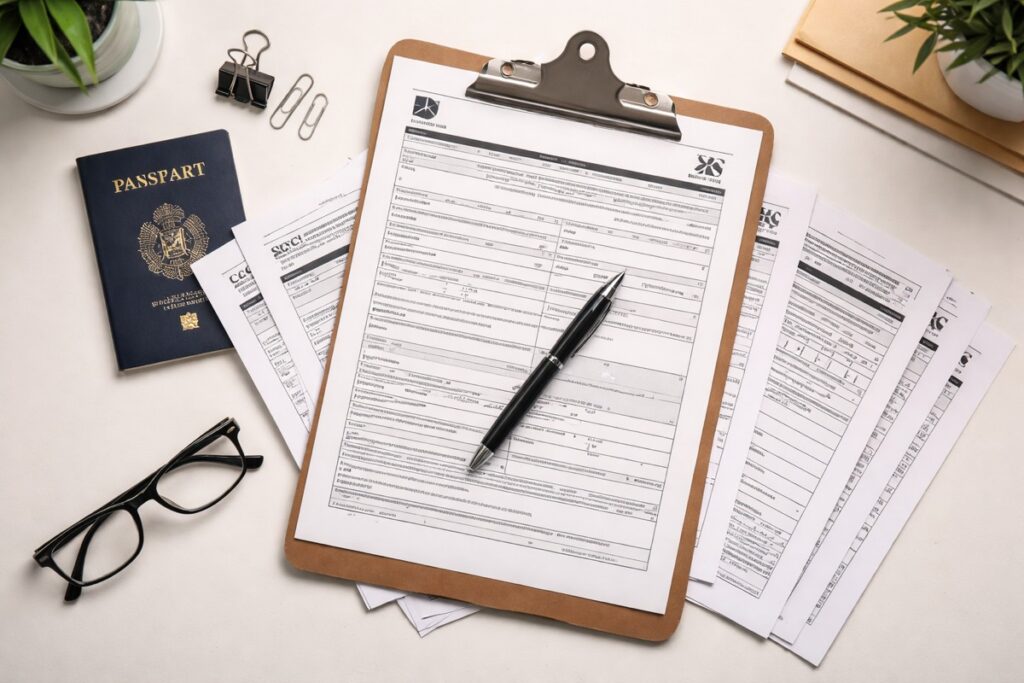
One of the most common — and most costly — mistakes in asylum cases has nothing to do with the strength of your story. It is a calendar problem.
The one-year rule
If you are applying for asylum, you generally must file Form I-589 within one year of your arrival in the United States. Miss that window and your application can be denied on timing alone, regardless of what you fled.
There are exceptions — changed circumstances that affect your eligibility, or extraordinary circumstances that explain the delay — but they are narrow, and you carry the burden of proving them.
Two ways to apply
- Affirmative — you are not in removal proceedings and you file directly with USCIS.
- Defensive — you are already in removal proceedings and you request asylum as a defense before an immigration judge.
If you were stopped at the border
If you expressed fear of returning to your country while in expedited removal, you are referred to a USCIS asylum officer for a credible fear interview. A positive determination means the record itself is treated as your asylum application — you do not file a separate I-589 — and you are scheduled for a non-adversarial Asylum Merits Interview.
When can you work?
This is usually the next question, and the timing is specific. You may file Form I-765 for a work permit 150 days after filing your asylum application, and you become eligible to receive the Employment Authorization Document once your asylum case has been pending 180 days.
Important: delays that you request or cause do not count toward those 180 days. Rescheduling an interview can stop the clock. USCIS tracks this, and you can check whether your clock is running.
How long does the whole process take?
Honestly: it varies a great deal. Decisions are supposed to come within a few months, but reported waits have stretched to a year or more depending on the office and the caseload.
If you are close to your one-year mark, that is the detail worth acting on this week — not next month.