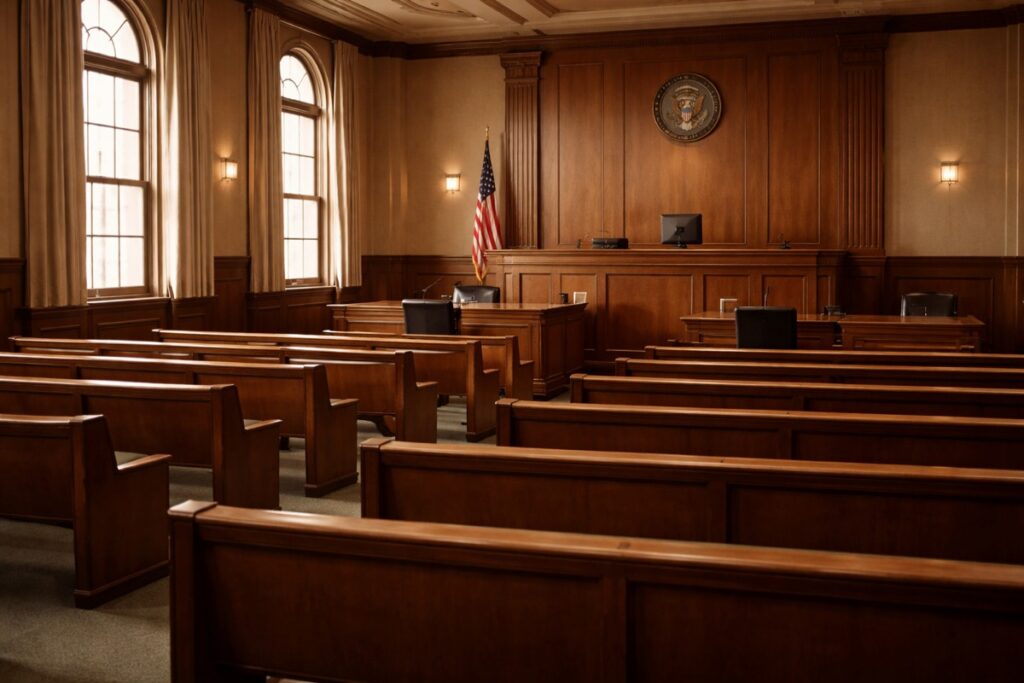
If you have received a Notice to Appear, your case is headed to immigration court — not to USCIS. The first hearing is called a master calendar hearing, and it catches many people off guard because it is nothing like what they expected.
It is procedural, not a trial
No witnesses testify. No evidence is weighed. The judge will not decide whether you can stay in the United States that day. The hearing is short — often just a few minutes — and its purpose is to organize the case.
At this hearing the judge advises you of your rights, confirms the charges the government has filed against you, and asks what forms of relief you intend to apply for. You will also be given deadlines and a date for the real hearing.
What you should be ready to say
- Whether you admit or deny the allegations in the Notice to Appear
- What relief you plan to request — asylum, cancellation of removal, adjustment of status, or another form
- How much time your case will need at the individual hearing
Answering these questions incorrectly can narrow your options later. Conceding removability when you did not have to, or failing to identify a form of relief in time, can close doors that were open.
The hearing that actually decides your case
That is the individual calendar hearing, also called the merits hearing. It is an evidentiary hearing: you testify, your evidence is reviewed, the government’s attorney can cross-examine you, and the judge decides.
You have the right to a lawyer — but not a free one
This surprises people who assume immigration court works like criminal court. It does not. You have the right to be represented, but at your own expense. There is no public defender in immigration proceedings.
Appearing without counsel — pro se — puts you across the table from a trained government attorney who does this every day. The outcomes reflect that difference.
If you have a hearing date, the most useful thing you can do today is talk to an attorney about it. Deadlines in immigration court are strict and rarely forgiving.